



What a daily emotional check-in looks like in a classroom

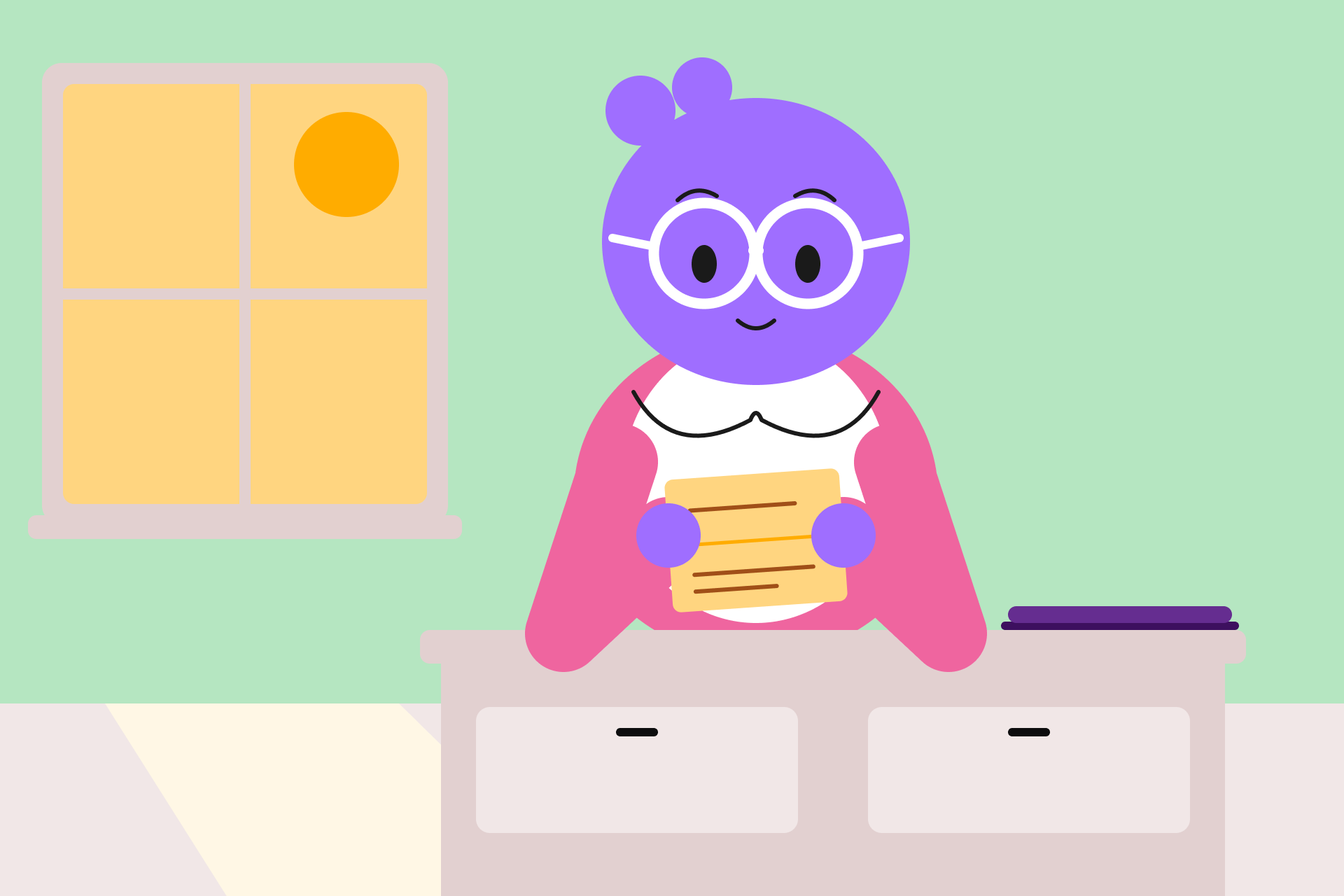
Monday, 8:47. The class is still arriving. Two students came in tired. One is buzzing about the weekend match. A child who rarely speaks up has written a whole sentence. By 8:50, before the first lesson starts, their teacher has read the room.
That is the whole idea. It isn't a programme or a survey. It isn't a dashboard to study at lunchtime. It's one minute every day that belongs to the child.
What the student does
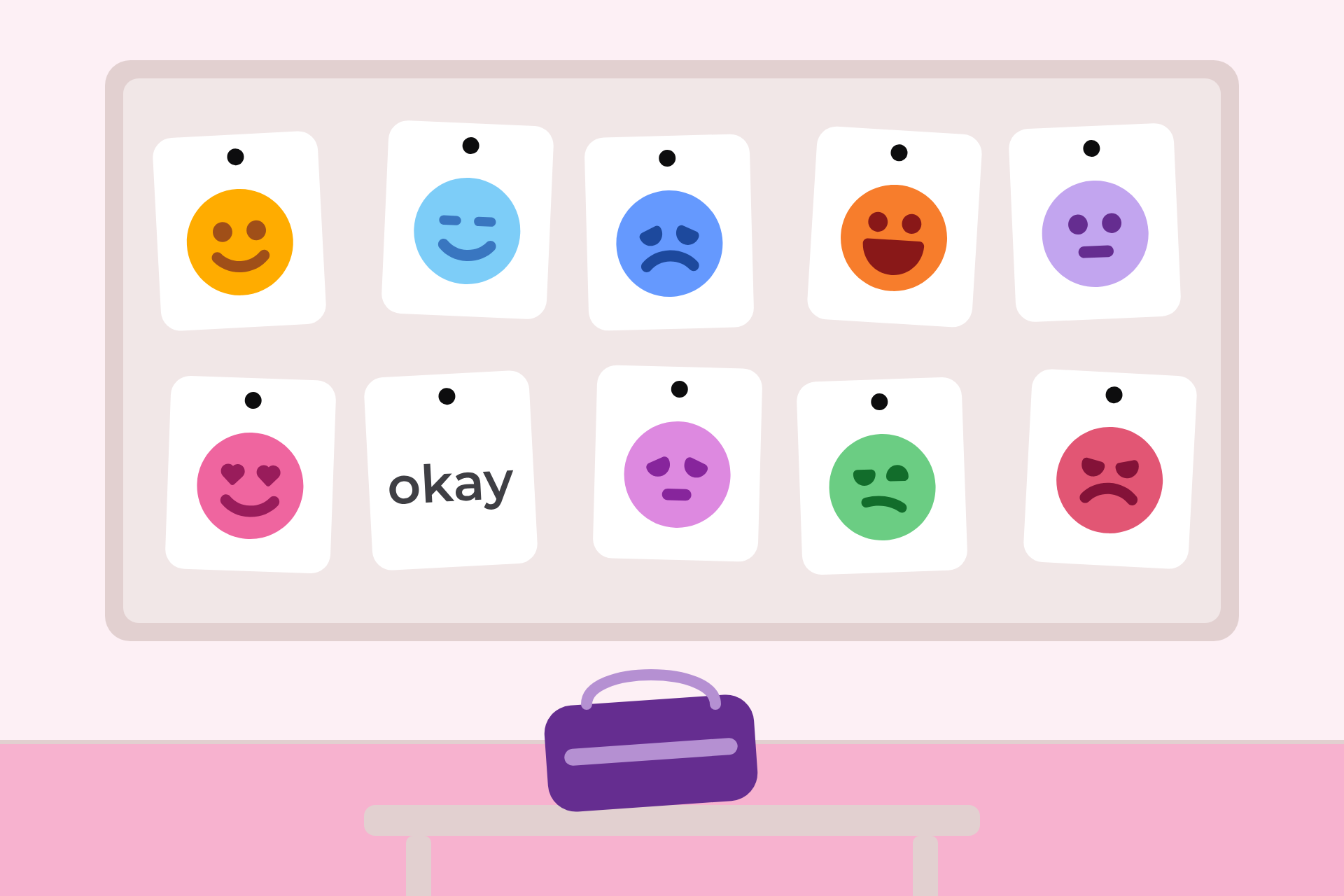
A student opens YouHue and picks how they feel. If they want to, they add a few words. There are nine feeling screens to start from: happy, excited, loved, calm, okay, confused, anxious, sad and angry. Each one opens five moods, so a student who wants to be precise can be. Okay is a real answer. So is confused.
The words are optional. Some days a student writes nothing. Some days they write "my dog is at the vet" or "I didn't sleep". Either is fine. The check-in takes under a minute. It happens in a window the teacher sets, so it fits the routine instead of interrupting it.
Younger classes use a simpler version: five faces and a tap on why. There's nothing to type.
What the student gets back
Straight after they share, the student gets a short note of their own: a kind word, or an idea to try. It's small on purpose. It tells the child that saying how they feel was worth doing, and it closes the loop before the day moves on.
What the teacher sees
The teacher's home screen opens to today: how each class has come in, and who might need a closer look. Each check-in shows the mood the student chose and their words, exactly as they wrote them. Nothing is summarised away.
Over the weeks, the class view shows moods across the week and the term, so a pattern is visible while it's forming rather than after it has become a problem. When a pattern builds up for one student, YouHue suggests a student to watch. The teacher decides. And if a child's words ever need an adult right away, the teacher knows immediately.
What it isn't
It isn't a survey. A survey sees a child once a year; this sees them every day. It isn't surveillance. A child chooses what to share with a teacher they trust. Nothing in YouHue watches a child. It isn't a score or a diagnosis. The teacher decides what a check-in means and what to do about it. We call it known, not watched.
Making it routine
The teachers who get the most from it treat it like taking attendance: same time, same tone, every day. First thing is the natural choice, because the day hasn't happened yet. "Time to check in," and a minute later it's done.
Most check-ins are ordinary. Tired, fine, excited, okay. That's the point. Ordinary days are the backdrop that makes the unusual one visible. A child who has named a feeling every morning for a term has had a term of practice at something worth practising.
See it for yourself
Try it out on our homepage, two minutes and no sign-up. Or talk to our team and we'll walk you through it.